By Hoàng Ngân / Vietnam Finance (VNF)
After four decades of Đổi mới (Reform), Vietnam is no longer short of large enterprises. Yet the demands of a new development phase have shifted. Growth can no longer be defined purely by scale; instead, leading conglomerates are increasingly expected to serve as anchors—connecting business ecosystems, upgrading supply chains, and strengthening the economy’s internal capabilities.
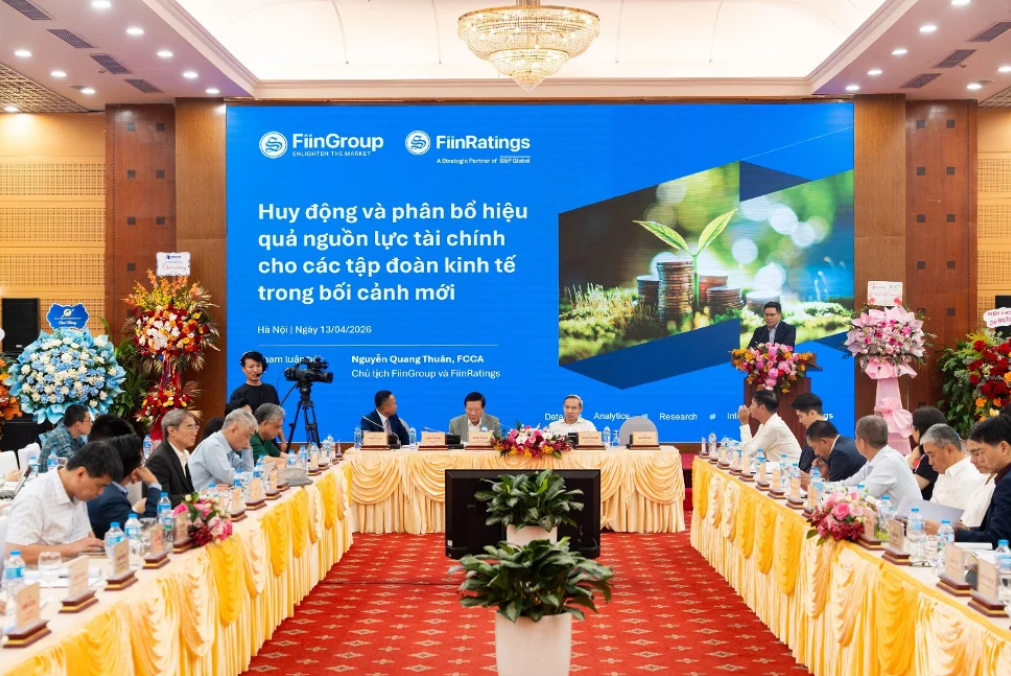
At a recent conference titled “40 Years of Reform: The Leadership Role of Economic Conglomerates,” organized by Vietnam Investment Review, experts argued that the focus must move away from rapid expansion toward sustainable growth grounded in endogenous strength and the ability to diffuse value across the economy.
Beyond the Old Growth Model
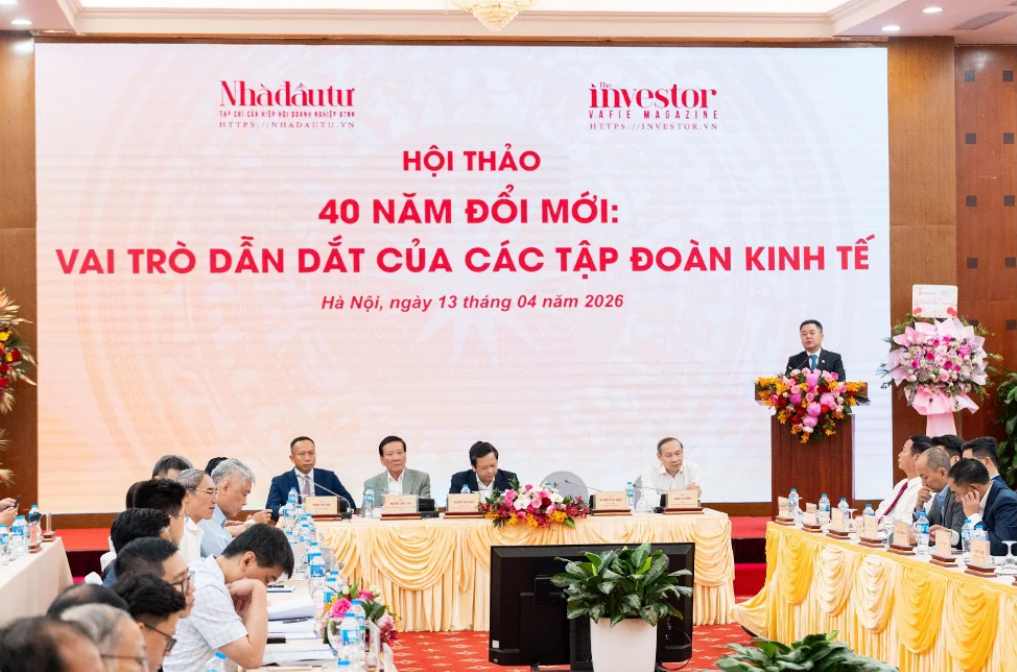
The conference brought together senior representatives from government ministries, industry associations, financial institutions, and major corporations. A common thread emerged: the growth model that once powered Vietnam’s rise—based on low-cost labor and foreign direct investment (FDI)—is approaching its limits.
In an increasingly volatile global economy, the imperative now is to cultivate domestic conglomerates capable not only of scale, but of leading value-chain upgrading and ecosystem development.
While the FDI sector continues to play a pivotal role in exports and manufacturing, its spillover effects into the domestic economy remain constrained. This gap underscores the need for strong local enterprises that can act as “nuclei,” linking and elevating Vietnam’s broader business ecosystem.
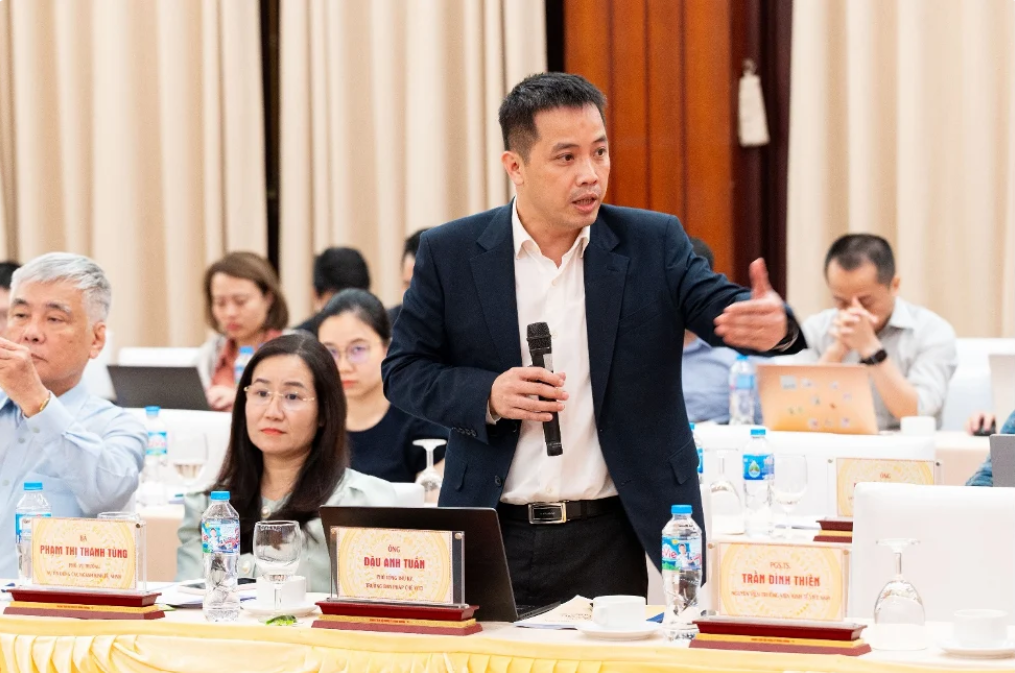
As Đậu Anh Tuấn of the Vietnam Chamber of Commerce and Industry noted, competition in the next phase will no longer be between individual firms, but between entire supply chains and ecosystems. Without deeper participation—particularly in higher value-added segments—Vietnamese companies risk falling short in enhancing national competitiveness.
Institutions as the Foundation of Trust
Alongside enterprise capability, institutional quality remains a decisive factor. A stable, transparent, and predictable policy environment—especially one that safeguards property rights and enforces contractual discipline—is essential to building market confidence and enabling long-term collaboration.
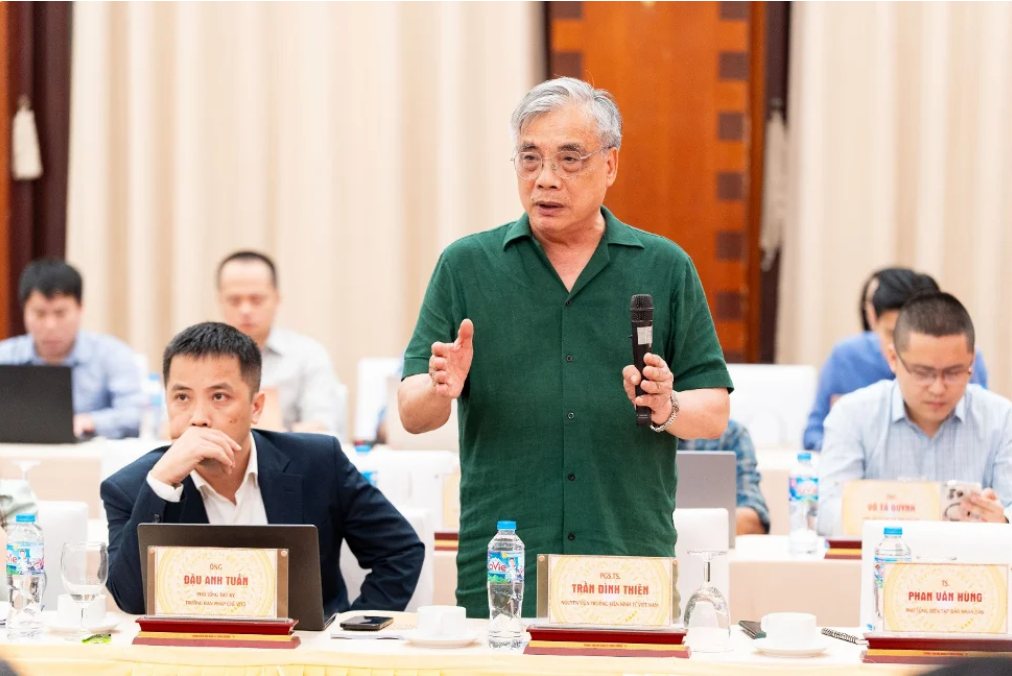
Economist Trần Đình Thiên emphasized that these institutional underpinnings are not peripheral, but foundational. Without them, efforts to build durable supply chains and competitive ecosystems will struggle to take root.
From Size to Substance
Against this backdrop, the question is no longer how to build large enterprises, but how to build enterprises that generate and distribute value.
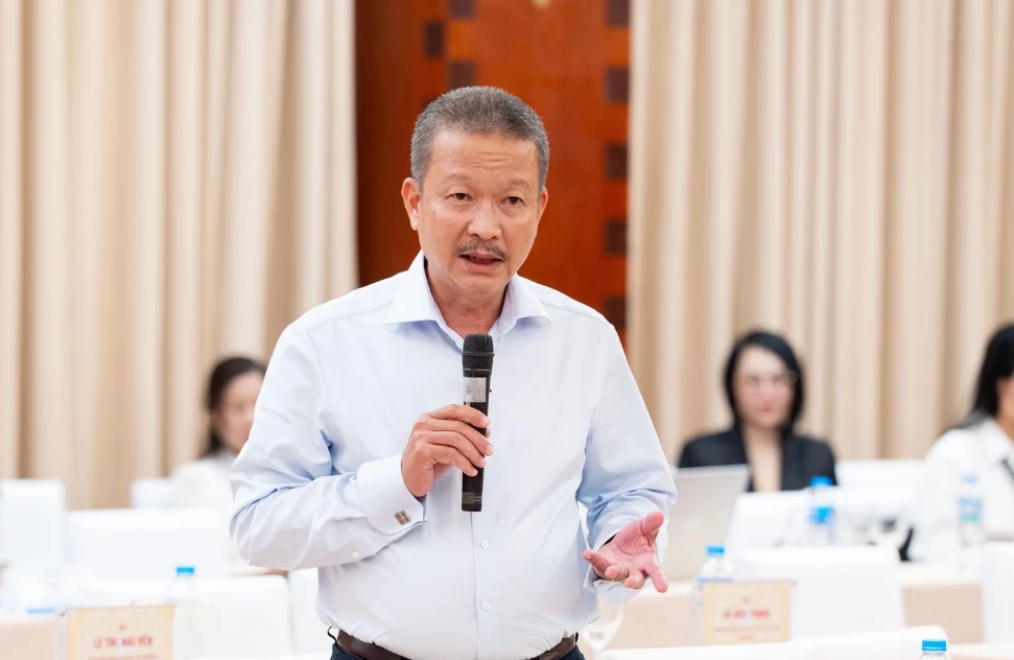
This perspective was echoed by Nguyễn Duy Hưng of Tân Hiệp Phát Group, who drew on the company’s own experience.
“The true strength of a conglomerate,” he argued, “does not lie in revenue, scale, or fiscal contribution, but in its ability to create a value chain in which the entire ecosystem can grow.”
In this view, a conglomerate’s significance is inseparable from national interest and its capacity to extend value across the supply chain—from raw material regions and suppliers to logistics networks and distribution systems.
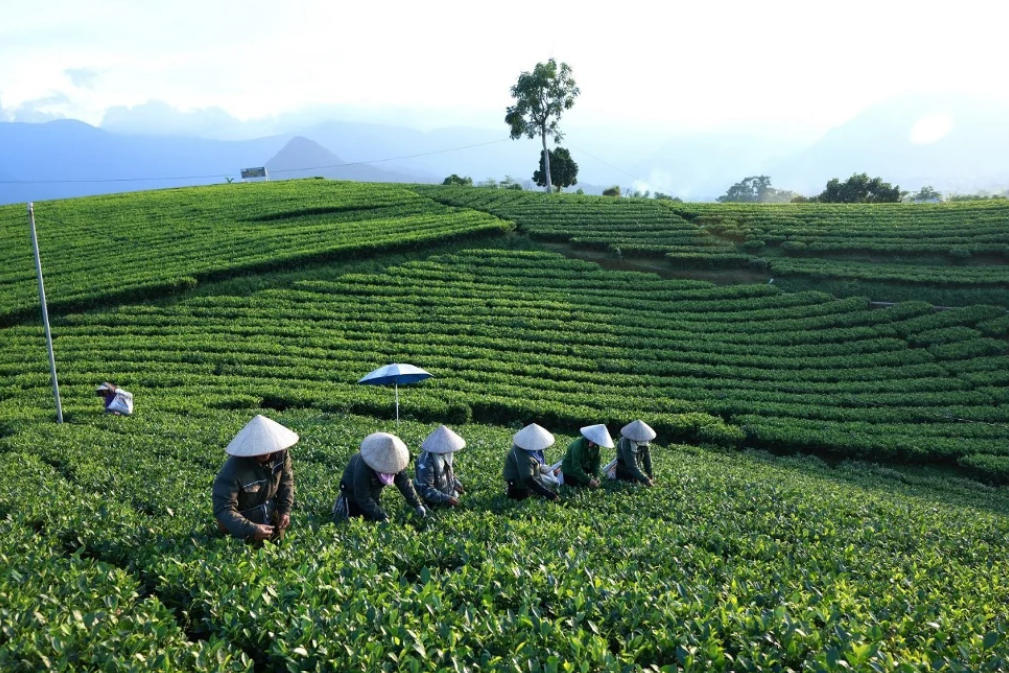
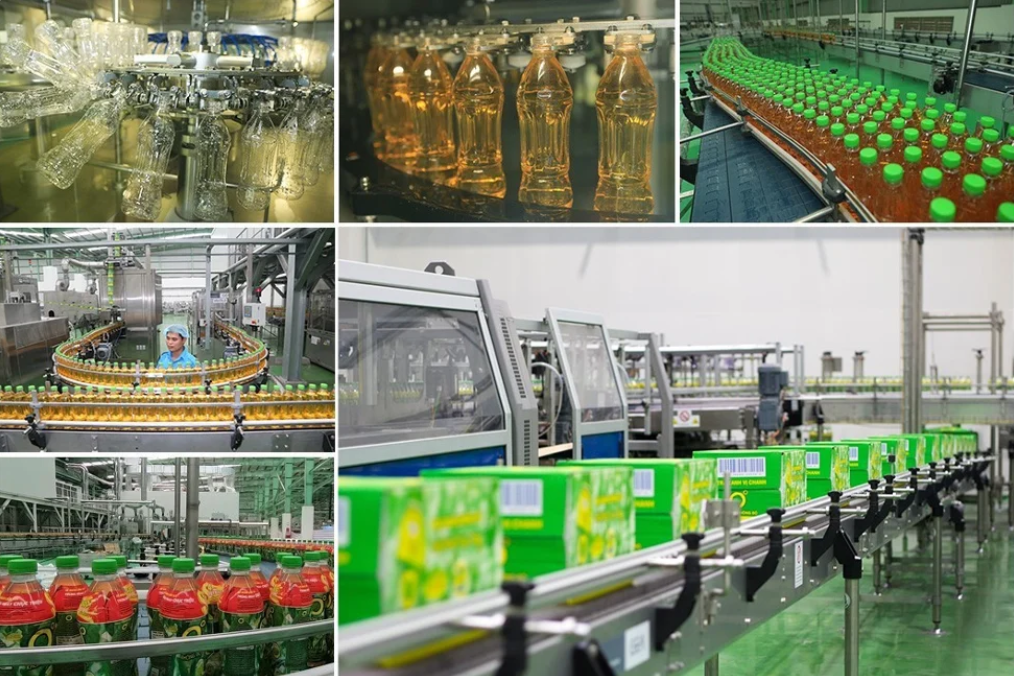
At Tân Hiệp Phát, this philosophy translates into a development model that extends well beyond factory gates. It encompasses tea farmers, procurement networks, suppliers, logistics partners, and distribution channels—an integrated ecosystem rather than a standalone enterprise.
Between 60 and 70 percent of the company’s revenue is spent domestically, supporting nearly 4,000 direct jobs and tens of thousands of indirect livelihoods. This not only drives business performance, but also helps retain value within the national economy and reinforce internal economic resilience.
The Centrality of Shared Value
Yet, as Hưng emphasized, building a sustainable supply chain is less about technical capacity or scale than about how value is shared.
To sustain long-term partnerships—whether with farmers, suppliers, or distributors—companies must adhere to a genuine win-win principle. Loyalty, in this context, is not transactional but relational, built on fairness and mutual benefit.
“A large conglomerate,” he noted, “should not be measured by its own size, but by the size of the ecosystem it creates. There is no alternative but to share value in a way that makes all parties want to stay for the long term.”
In practice, however, many linkages remain short-term, often structured around annual contracts or individual transactions. This limits the ability of businesses to formulate long-term strategies across the supply chain.
The underlying issue is not only market volatility, but also a deficit of trust. Without strong trust, long-term commitments fail to materialize, and supply chains struggle to achieve the resilience required for global competition.
The Role of the State: From Doer to Enabler
From a private-sector perspective, Hưng argued that what businesses need most is not prescriptive direction, but freedom from constraint and confidence to invest for the long term.
For years, Tân Hiệp Phát has pursued a strategy of continuous reinvestment from retained earnings, upgrading production capabilities and strengthening competitiveness. What enables such a strategy, he suggested, is a stable and predictable environment—one that allows firms to invest boldly, upgrade value chains, and expand internationally.
This aligns with broader expert consensus at the conference: the role of the state must evolve from “doing” to “guiding”—designing transparent rules, ensuring consistent enforcement, and creating conditions for businesses to realize their full potential.
In particular, strict enforcement of contracts and protection of property rights are seen as the bedrock of market trust. Only when commitments are honored can firms build enduring partnerships and develop supply chains capable of competing at scale.
Growth That Lifts All
In the long term, the development of large economic conglomerates is not solely a corporate challenge—it is a systemic one.
A company may achieve scale, but without meaningful spillover—without bringing smaller, satellite enterprises along—its contribution to the broader economy remains limited.
By contrast, conglomerates that share value, cultivate trust, and build ecosystems can become powerful engines of national competitiveness.
As Vietnam enters a new phase of development—where the goal is not merely growth but elevated global standing—the expectations placed on its enterprises are evolving. The imperative is no longer to “grow fast,” but to grow sustainably and responsibly.
In that journey, as Hưng observed, the defining factors are not capital or scale alone, but the ability to build trust, distribute value fairly, and bring the entire supply chain forward.
If four decades ago, Reform was about survival, today the challenge is more complex: to develop in a way that leaves no one behind.
And ultimately, the strength of a conglomerate will not be measured by how high it stands alone, but by how many others it enables to rise alongside it.